Table of contents
Step into the vibrant world of Asian street food inspired menus and discover a culinary adventure like no other. These menus capture the lively spirit, bold flavors, and rich traditions found in the bustling markets of Asia, offering a sensory journey across cultures. Let the following paragraphs guide you through the unique ingredients, cooking techniques, and cultural significance that make Asian street food a captivating choice for both chefs and food enthusiasts.
The essence of Asian street food
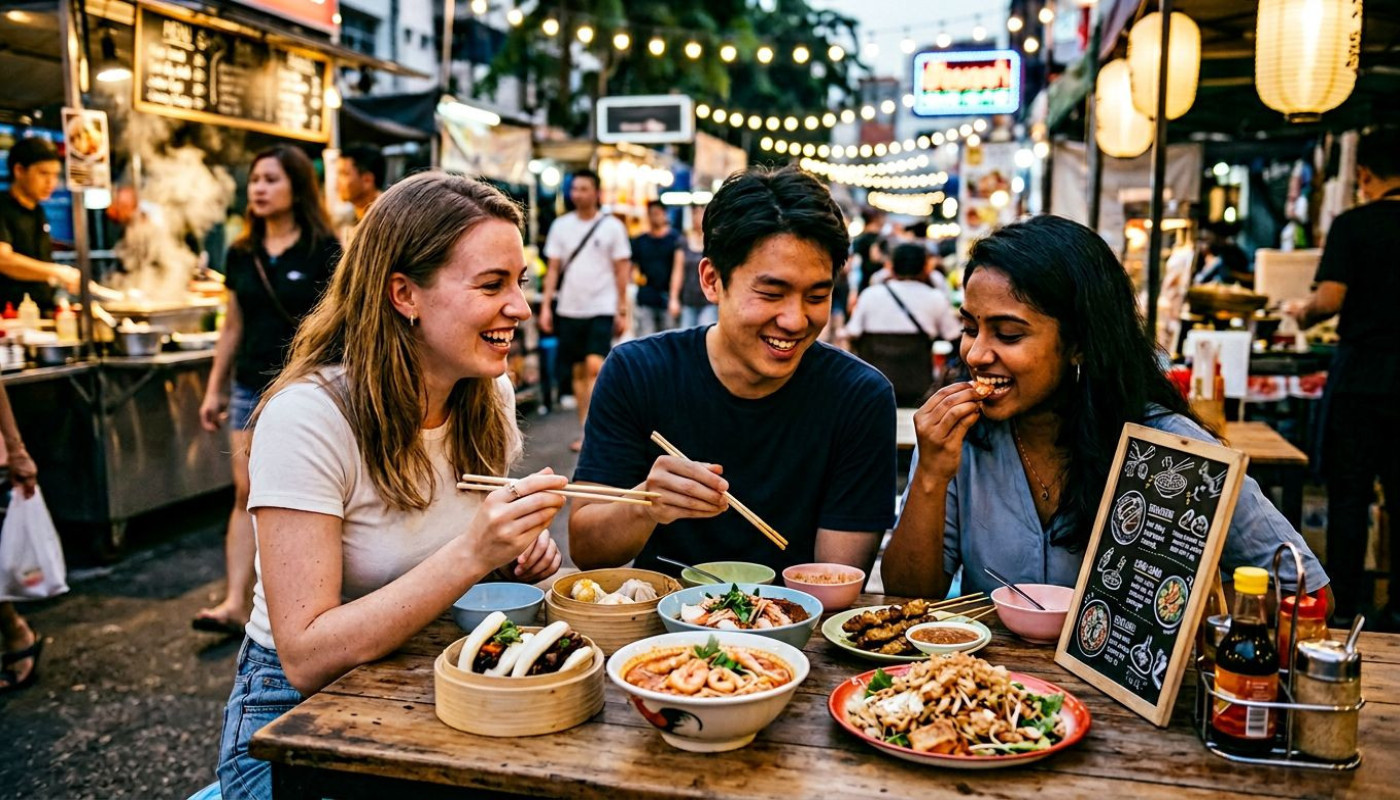
Asian street food stands as a living testament to the dynamic blend of tradition, community, and innovation, forged in the bustling heart of local street markets. Each region’s specialty emerges from a deep-rooted connection to local ingredients, reflecting generations of culinary wisdom and adaptability. The atmosphere at these vibrant hubs is charged with energy: the rhythmic clang of woks, the vivid colors of fresh produce, and the mingling aromas of sizzling meats and fragrant spices all contribute to an unforgettable sensory experience. This environment invites people from all walks of life to gather, fostering a unique sense of togetherness and mutual discovery around the communal joy of sharing food.
Integral to the appeal of Asian street food is its mastery of umami—the elusive fifth taste that provides remarkable depth to dishes like pho, yakitori, and satay. The ongoing process of cultural fusion is evident as traditional recipes evolve, incorporating global influences while maintaining their authentic essence. Street vendors skillfully balance age-old methods with inventive twists, ensuring each meal feels both familiar and novel. This harmonious mix of authenticity and creativity not only preserves culinary heritage but also pushes the boundaries of flavor, making street markets the ultimate destination for those seeking genuine connection and gastronomic adventure.
The creativity behind inspired menus
Street food inspired menus have become a showcase for culinary innovation, as chefs reinterpret classic Asian dishes by blending traditional flavors with global influences and modern techniques. The creation of these creative menus begins with an in-depth exploration of regional street foods, where chefs identify unique flavor profiles and iconic ingredients. During menu development, the process often involves meticulous planning, or mise en place, ensuring that every element—from sauces to garnishes—is prepared with precision before service. Chef-driven concepts bring together diverse culinary backgrounds, leading to fusion cuisine that surprises and delights with inventive combinations and unexpected twists.
Balancing authenticity with creativity is a nuanced aspect of developing street food inspired offerings. While honoring the essence of beloved dishes like Thai satay or Vietnamese banh mi, chefs experiment with presentation, using contemporary plating styles such as deconstructed formats or edible garnishes that elevate the visual appeal. This experimental plating not only enhances the dining experience but also reflects a respect for street food culture, adapted for modern palates. Through thoughtful adaptation and rigorous mise en place, chef-driven kitchens produce menus that celebrate the vibrancy of Asian streets while pushing the boundaries of what fusion cuisine can achieve.
Signature ingredients and flavors
Asian street food inspired menus are instantly recognizable by their use of signature ingredients that create vivid, layered flavor profiles. At the heart of many regional dishes are Asian spices like star anise, Sichuan peppercorns, turmeric, and galangal, often balanced with fresh herbs such as cilantro, Thai basil, and mint. These aromatics deliver depth and complexity, infusing dishes with both heat and fragrance. The interplay of staple sauces—soy, fish sauce, oyster sauce, and chili paste—complements the spices, yielding tastes ranging from umami-rich and savory to sweet, tangy, and fiery.
Regional diversity plays a defining role in shaping these menus, as each corner of Asia brings unique combinations of ingredients and techniques. Northern Chinese street fare might highlight peppery notes and wheat-based noodles, while Thai dishes are renowned for their harmony of spicy, sour, sweet, and salty elements, often achieved with ingredients like lemongrass, tamarind, and palm sugar. Vietnamese street food is celebrated for its fresh, crisp textures and use of bright, aromatic herbs, resulting in a taste adventure that is both vibrant and refreshing. In Malaysia and Singapore, the culinary melting pot gives rise to bold curries, satays, and noodle soups, each telling a story of cultural blending.
When exploring menus that draw inspiration from these street food traditions, such as those offered by Lilyfus.com, diners are introduced to expertly curated flavor profiles and signature ingredients that transport the palate across Asia’s bustling markets. By thoughtfully combining regional aromatics and sauces, these menus offer a rich, multi-sensory experience that appeals to those seeking authenticity and excitement in their culinary journeys.
Cooking techniques and traditions
Asian street food owes much of its allure to a blend of traditional methods and expert culinary skills. Grilling, stir-frying, and steaming form the backbone of Asian cooking techniques, each lending unique street food flavors to authentic dishes. Stir-frying, often performed in blazing-hot woks, produces the coveted wok hei—a smoky aroma and taste that is the hallmark of genuine street fare. Grilling imparts charred, caramelized notes, commonly seen in satays and skewered meats, while steaming maintains the delicate texture of dumplings and buns. Mastery of these traditional methods requires years of practice, with chefs perfecting timing, heat control, and ingredient preparation. In restaurant kitchens, these cooking techniques are often adapted with modern equipment, but the focus remains on preserving the original street food flavors and culinary authenticity. The transmission of skill from one generation to another ensures that each bite reflects a time-honored connection to Asia’s vibrant food streets.
Bringing street food to your table
Recreating the dynamic atmosphere of Asian street food at home has become increasingly popular, with both restaurants and home cooks seeking to capture its vibrancy through Asian inspired recipes and inventive menu ideas. By embracing family-style service, dishes can be presented on sharing plates, encouraging diners to sample a variety of flavors just as they would on bustling city streets. Accessibility is achieved by sourcing key ingredients, such as fresh herbs, specialty sauces, and unique spices, from local Asian markets or reputable online retailers. The presentation of street food at home should balance simplicity and authenticity, using rustic plates or banana leaves for serving, and allowing guests to assemble their own portions, echoing the interactive nature of street vendors.
Incorporating street food elements into daily home cooking involves blending traditional techniques with modern convenience. Stir-fried noodles, satay skewers, dumplings, and bao buns are just a few examples of dishes that translate well to home kitchens while maintaining the spirit of communal dining. Focusing on menu ideas that highlight bold flavors and textural contrasts not only enhances the eating experience but also provides an inviting way for everyone at the table to engage in sharing plates and lively conversation. These approaches transform an ordinary meal into a celebration of culture, flavor, and connection, making street food at home a richly rewarding endeavor.
Similar